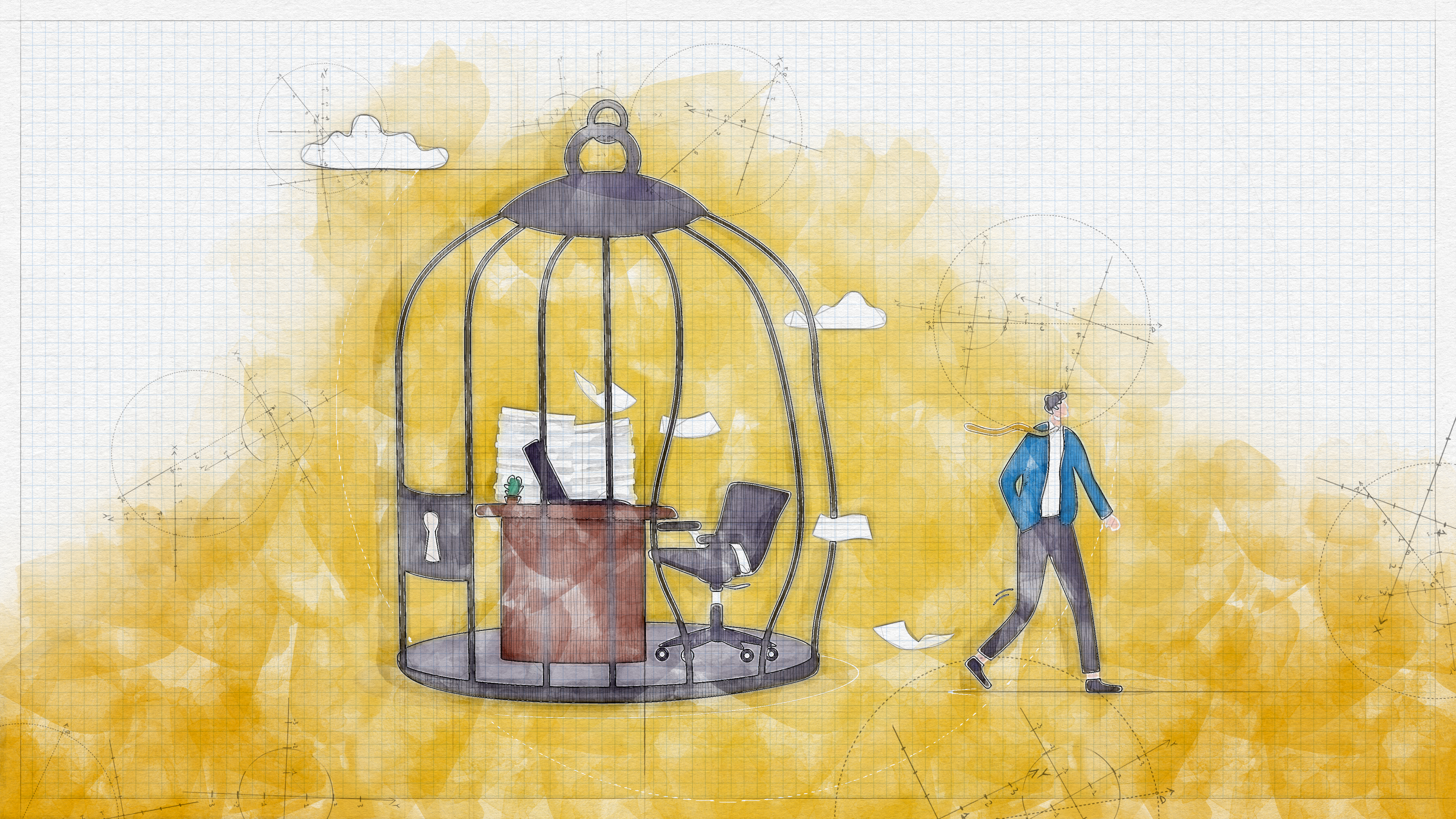
Layoffs are often viewed through the lens of workforce reduction and cost savings, but their impact extends far beyond the employees who leave. The hidden impact of layoffs is often felt most strongly by the people managers and teams left behind.
While affected employees face uncertainty about their future, managers are tasked with delivering difficult news, maintaining team morale, rebuilding employee trust, and keeping performance on track during a period of significant change.
For organizations, layoffs can create lasting challenges around employee engagement, workplace culture, and leadership effectiveness.
Team members who remain may experience anxiety, reduced motivation, and concerns about job security, while managers must balance business expectations with the emotional needs of their teams.
Understanding how layoffs affect people managers and employees is essential for organizations that want to navigate change responsibly and preserve trust, productivity, and long term team performance.
How do layoffs Affect People Managers
Layoffs can have lasting effects on your people managers. Some of these include:
Emotional Burden
These managers often are the ones delivering the bad news to team members they have worked closely with for months, sometimes years. This takes an immense toll on the psyche of a manager, especially one who’s proud of their team members. Somehow, a decision they had no part in making can dismantle their team, its norms and functioning. If they have formed deep working ties with their team members, they may feel guilty, upset, and heartbroken about having to let them go.
Team Morale
Team members who were not laid off may have anxiety and insecurity over the future of their employment, which will reduce productivity and participation. They could harbor anger toward the organization and the management who were forced to fire employees. They may also question the competency of the management and decision makers. After a layoff, managers will need to put in a lot of effort to restore team confidence, communication, and morale.
Erosion Of Trust
A layoff decision made higher up in the company can also have significant effects on a manager’s reputation. A manager’s reputation and relationships with team members, coworkers, and other stakeholders may suffer if they are thought to be the cause of the layoff. This problem is exacerbated when the layoffs are thought to be arbitrary or unjust. This can make it difficult for managers to maintain an uplifting and effective workplace.
How To Manage Layoffs
Managing layoffs plays a key role. You may want to consider these 3 alternatives to layoffs if you want to protect yourselves from the effects it has on your people managers. In case you feel you cannot avoid layoffs, a few ways to manage them include:
Be Open and Honest
Even before the layoffs happen, good leaders should inform their employees about the oncoming situation or atleast give them an active and actual view of the situation. Trust is very hard to gain once it’s been eroded. This can reduce anxiety greatly for all the employees by providing much needed clarity to the employees.
Be Direct
Once the decision is final, be very direct and humane with your team members. As much as it may pain them and even you, this information will hurt a lot less for them coming from their own manager and friend rather than a mail or message. (Don’t do what Google did). This also increases your credibility in front of the remaining employees.
Provide Help
The employee being laid off will certainly be panicking or be in a state of despair. Leaders can help by assisting the person in updating their resume and floating it around for them. This shows sincerity and compassion. This will not only help the outgoing employee, but also portray a trustable and positive image to the remaining employees. This in turn preserves company culture by not allowing the layoffs to have detrimental effects on the company.
Maintain Confidentiality
The privacy of those involved must be respected and managers should do their best not to let things like this become a point of gossip around the office. This can breed anxiety and distrust. In order to avoid this, communicate the change in terms with the employees in a private setting.
CEO Visibility
Managers and workers should be able to see and reach the CEO. When the CEO is willing to personally address the managers and staff with the reasoning for such harsh measures and what he or she feels will be their impact on the company’s future, that individual has a significant influence. The CEO should, at the absolute least, provide managers a prepared written statement that they may convey to all staff members. This shows clarity of thought and accountability on the leadership’s part.
In general, layoffs may affect people managers in a variety of ways, which emphasizes the significance of proper preparation and communication when executing layoffs. Companies may decrease the adverse effects of layoffs on managers and their teams by being open and empathetic.
Conclusion
Layoffs may be intended to reduce costs or improve business efficiency, but their impact reaches far beyond workforce numbers.
People managers often carry the emotional and operational burden of layoffs, balancing organizational expectations while supporting employees through uncertainty. The effects can be seen in employee morale, workplace trust, team performance, and overall culture.
Organizations that handle layoffs with transparency, empathy, and strong leadership communication are better positioned to maintain employee engagement and rebuild confidence.
By supporting managers during these challenging periods and equipping them with the right tools and guidance, companies can reduce the negative impact of layoffs and create a more resilient workforce for the future.
Frequently Asked Questions:
Layoffs can place significant emotional and professional pressure on people managers. They are often responsible for communicating difficult decisions, supporting affected employees, maintaining team morale, and rebuilding trust among remaining team members. This can impact manager effectiveness, engagement, and overall leadership confidence.
Layoffs often create uncertainty, anxiety, and reduced motivation among employees who remain in the organization. Concerns about job security and future workforce reductions can lower employee engagement, productivity, and trust in leadership if not managed effectively.
Managers can rebuild trust by communicating openly, addressing employee concerns honestly, providing regular updates, and demonstrating empathy. Consistent communication and visible leadership support are critical for restoring confidence after layoffs.
Leadership communication helps employees understand the reasons behind layoffs, the organization's future direction, and what changes to expect. Clear communication reduces rumors, minimizes uncertainty, and helps maintain workplace trust during periods of organizational change.
People managers often face challenges such as reduced team morale, increased workloads, employee disengagement, retention concerns, and pressure to maintain performance levels. They must also support remaining employees while adapting to new team structures and responsibilities.
Organizations can support managers by providing leadership guidance, communication frameworks, coaching, mental well-being resources, and manager development programs. Equipping managers with the right support helps them navigate change more effectively and maintain team performance during difficult transitions.
Yes. Poorly managed layoffs can damage employee trust, weaken workplace culture, and increase voluntary attrition among high performers. Organizations that prioritize transparency, empathy, and effective people management are more likely to retain talent and preserve a positive work environment.